Latest News
A Seminar on IoT – Its Overview, Challenges and Opportunities Organized at KICS UET Lahore
On 12th February 2019, KICS UET arranged a seminar on ‘Internet of Things: Overview, Challenges and Opportunities’ at its seminar hall where large number of participation was seen including researchers, faculty members and students alike. The invited speaker was Dr. Atif Mansoor, who teaches Internet of Things (IoT) at The University of Western Australia and has been in this profession for last 18 years or so teaching in various universities of the world including NUST (College of Aeronautical Engineering), Air University, Punjab University and presently at The University of Western Australia. In addition to all this, Dr. Atif has delivered lectures and presented research in different universities in Scandinavia, Europe, Australia and China.His other distinction include being an European Union Erasmus Mundus visiting scholar at Gjovik University, Norway. Following year i.e. 2013, Dr. Mansoor taught Digital Image Processing course at University of Jean Monnet, Saint Etienne, France. He is the author/co-author of more than 50 international publications in the domain of pattern classification, Digital Image/Signal Processing.
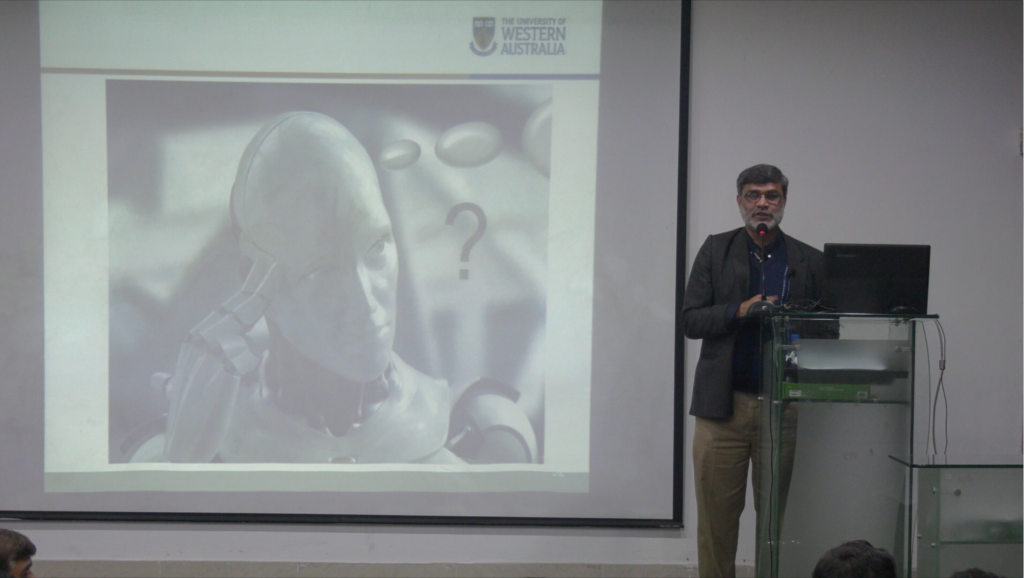
His focus was on IoT in particular in this talk, as Internet of Things concerns the integration and networking of the physical world of objects and people with the virtual world of the internet besides it has potential to transform the way we work, live, and play.
Before Dr. Atif’s talk, Dr. Ali Hammad, a UET’s professor, began the event by delivering his views on communication, need of technology and IoT R&D set ups functioning in KICS UET.
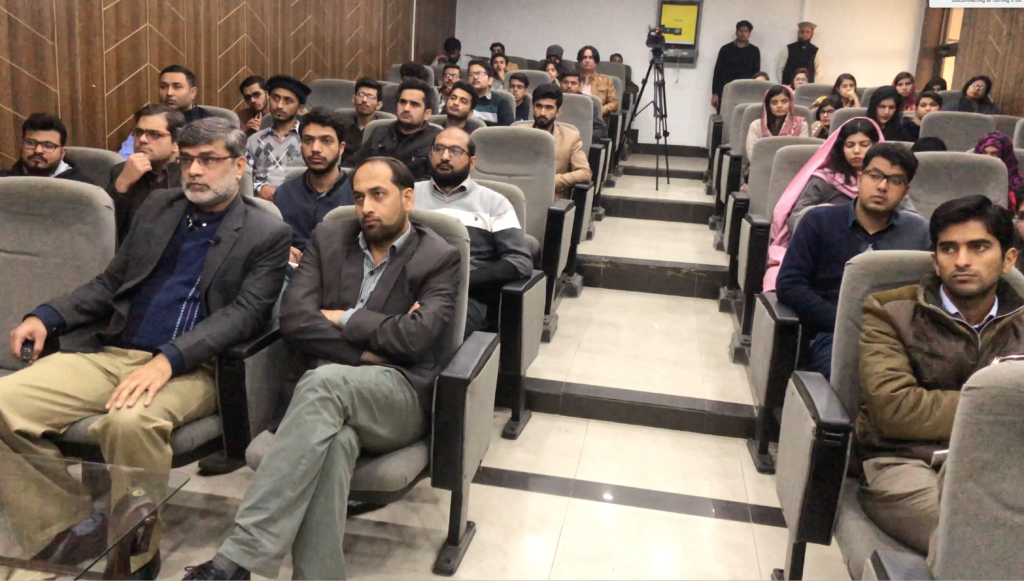
In his talk, Dr. Atif described that IoT as a new thing, its introduction, components of IoT, opportunities and challenges and IoTbased projects. He unzipped the facts that it was going to be connected to everything like with your tooth brush, your glasses, your doors, and everything at your home and office. With the sesnors used in IoT products, the things would be analyzed and functioned. Desribing in detail, Dr. Atif mentioned that sensors, connectivity, platform, analytics and user interface happened to be the components of IoT.
He also explained about the smart products which have taken shape among us and will be expanded more in near future.
A Delegation from CERAD Led By Dr. Waqar Mahmood Meets USPCASE and UET Peshawar’s Team in Serena Hotel to Initiate Green Energy Program
KFW German Development Bank is providing soft loans for the installments of Solar PV systems in universities and other government buildings in KPK and the government of the is planning to initiate the green energy program now by installing the solar PV systems. To do so, the government of KPK has now asked for the recommendations from UPCASE and UET Peshawar. CERAD has been serving as a consulting agency for Renewable energy projects in Punjab for last few years. Therefore, both UPCASE and UET Peshawar have generated a request to CERAD to facilitate them with its significant experience.
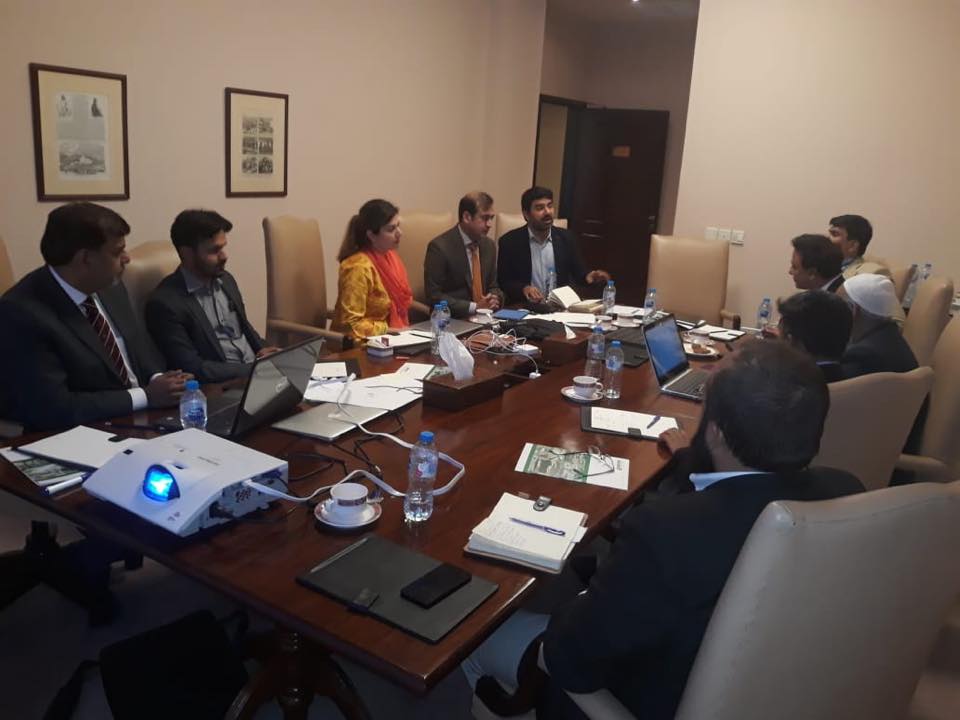
To make it happen a delegation from CERAD led by Dr. Waqar and accompanied by Mr. Minhaj Khokhar (Consultant and Tech Developer USA), Mr Imran Ali (Manager Research) and Waqas Khalid (Sr. Research Officer) held a meeting with USPCAS-E and UET Peshawar in Serena Hotel, Islamabad recently.
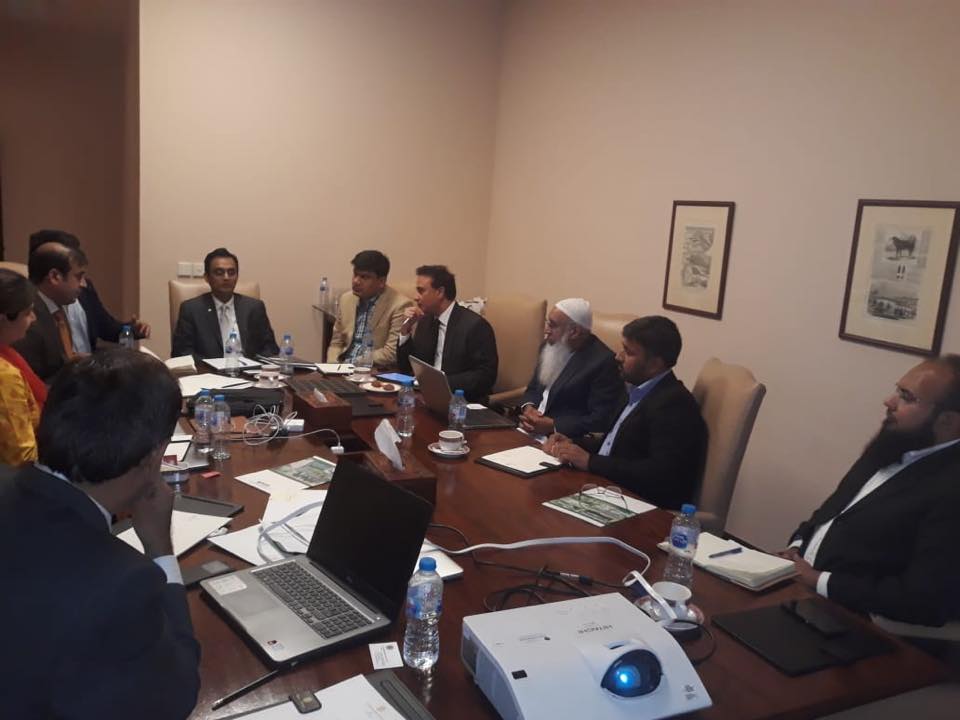
The team shared its experience about execution of renewable energy projects, problems faced and a way forward according to the agenda. USPCAS-E and UET Peshawar teams were very thankful about the suggestions made there in the meeting and look forward to meet again as soon possible for a follow-up.
A Seminar on Research Trends and PhD Opportunities in Australia Organized in KICS UET
KICS organized a technical talk on ‘Research Trends in Location based Services and PhD opportunities in Australia’ on January 23rd in its seminar Hall at University of Engineering and Technology, Lahore. Muhammad Aamir Cheema who an Associate Professor and an ARC Future Fellow at Monash University Australia. Due to the immense increase in the usage of smartphones and other GPS enabled devices, cheap wireless network bandwidth and the availability of huge amount of data related to the locations, location-based services have become ubiquitous. Some applications of the location-based services include navigation, location-based social networks, emergency services, and travel planning etc.
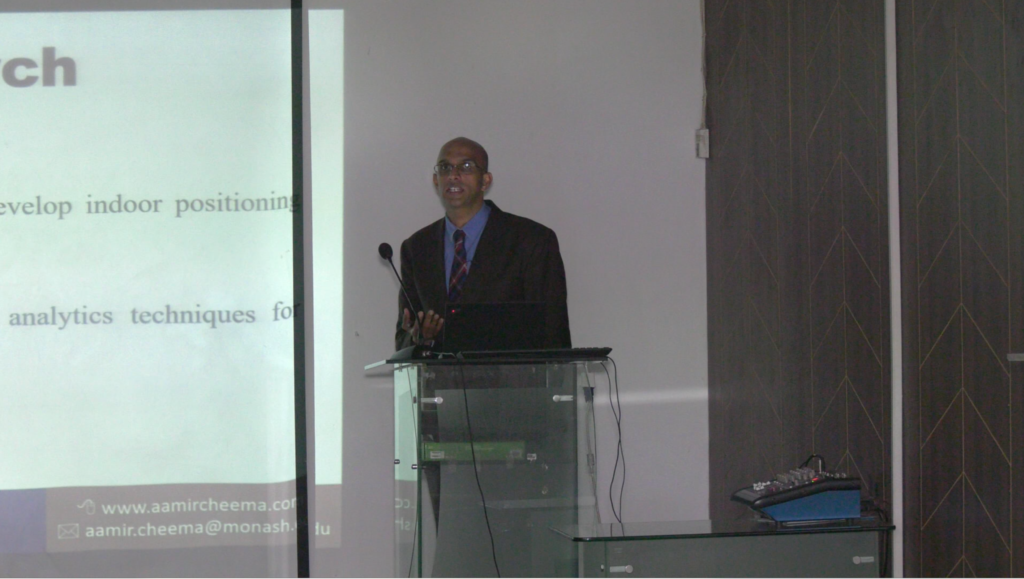
The talk presented a summary of the current research in location-based services and present research trends. It was focused on a large audience and was not only targeted to the researchers.
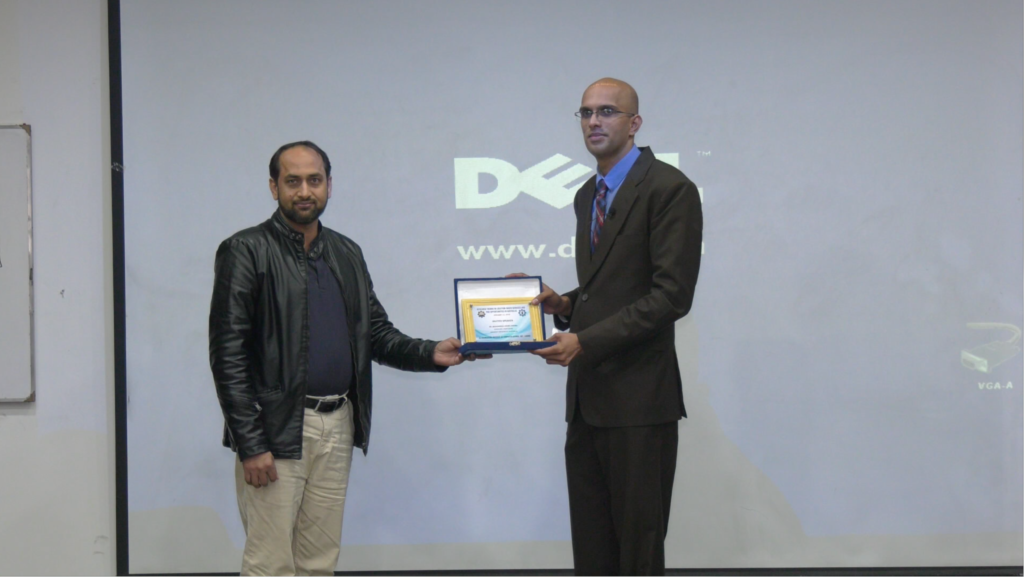
The talk then poured the focused on PhD opportunities in Australia. Talk depicted that Australia welcomes PhD applications directly from those who have Bachelors or equivalent 4 years degree.
New Vice Chancellor of UET Dr. Aziz Akbar Visits KICS
Acting Vice Chancellor of University of Engineering and Technology Lahore Dr. Aziz Akbar visited Al-Khawarazmi Institute of Computer Science (KICS) on Monday, 21st January 2019. Prof. Dr. Waqar Mahmood (Director KICS) along with faculty members welcomed him very warmly. He visited all labs functioning at KICS along with Dr. Waqar and others where he took deep interest in the projects being done over there. He liked all projects KICS is working on and showed his interest in them. He was introduced with lab managers and the staff whom he interacted with grace.
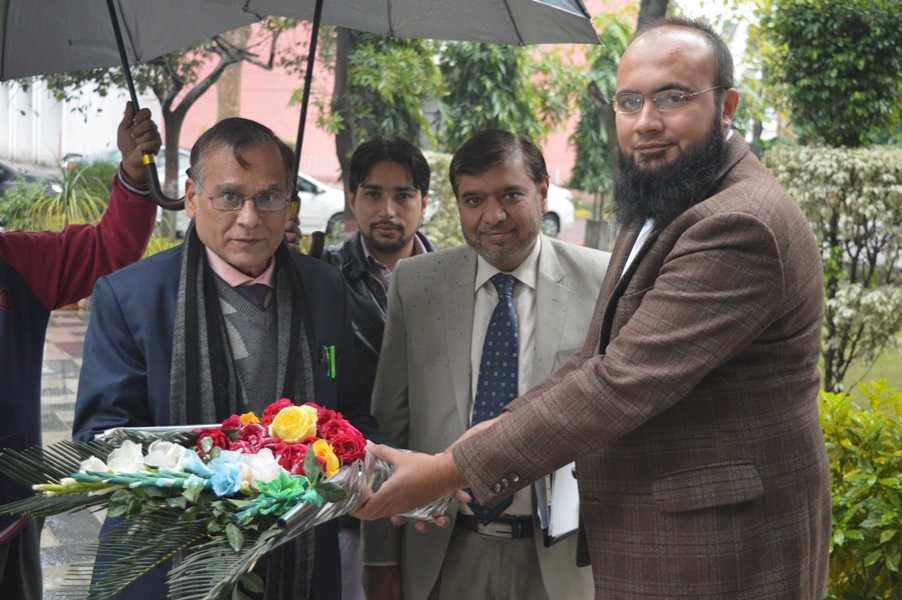
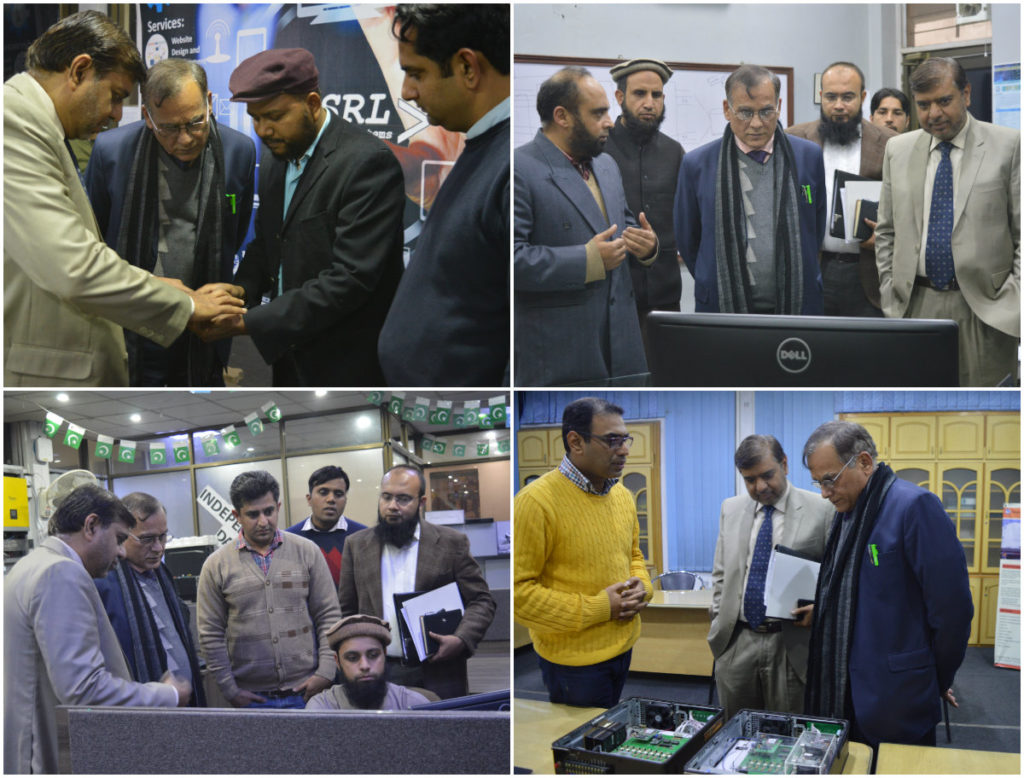
A cake cutting ceremony was arranged in his honor at conference room in KICS. On his return, he exhibited his desire to visit KICS time and again due to the warmth he received and the lucrative projects being done there.
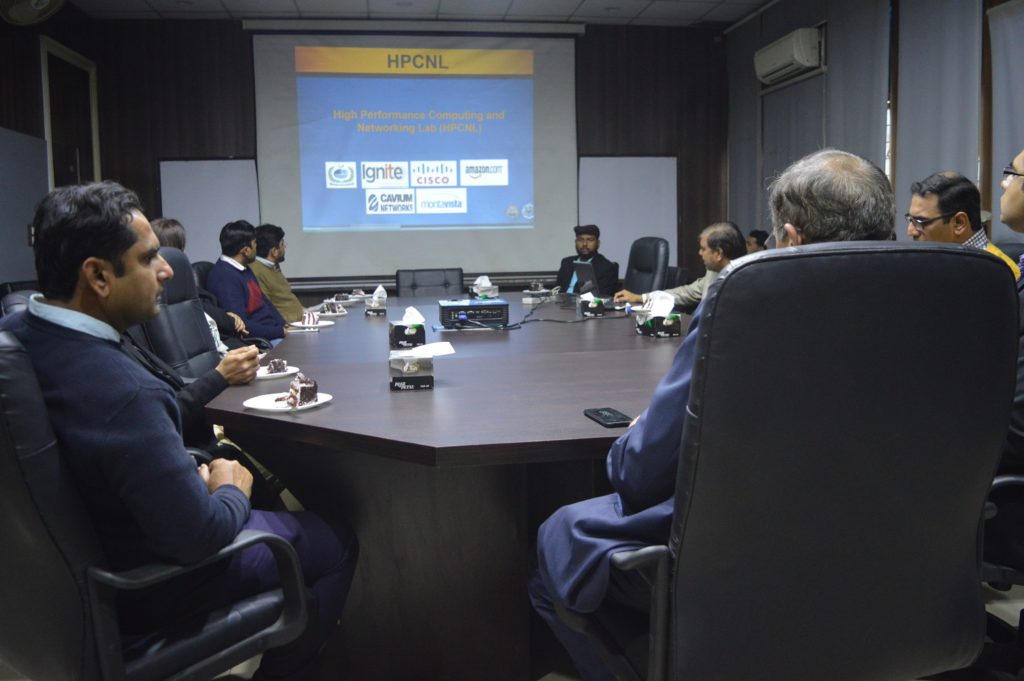
A technical talk on ‘Research Trends in Location-based Services and PhD opportunities in Australia’ on Jan 23, 2019 at 12:00 PM
Abstract of the talk and biography of the speaker are given below:
Abstract: Due to the immense increase in the usage of smartphones and other GPS enabled devices, cheap wireless network bandwidth and the availability of huge amount of data related to the locations, location-based services have become ubiquitous. Some applications of location-based services include navigation, location-based social networks, emergency services, and travel planning etc. This talk will present a summary of the existing research in location-based services and current research trends. The talk is focused on a broader audience not necessarily familiar with the research in spatial databases. The second part of this seminar aims to provide an overview of PhD opportunities in Australia. It is important to note that, in Australia, one may directly enrol into a PhD program after obtaining a Bachelor or equivalent 4-year degree. Therefore, this talk will be of interest to final year undergrad & masters students, people working in different research groups & centres and anyone else who is considering doing PhD from overseas. The seminar will also introduce PhD positions available in my group at Monash University on projects related to location-based services.
Biography: Muhammad Aamir Cheema is currently an Associate Professor and an ARC Future Fellow at Monash University Australia which is one of the leading universities in Australia and among the top 1% universities in the world. He is the recipient of 2012 Malcolm Chaikin Prize for Research Excellence in Engineering, 2013 Discovery Early Career Researcher Award, 2014 Dean’s Award for Excellence in Research by an Early Career Researcher, 2018 Monash Student Association Teaching Award and 2018 ARC Future Fellowship. He has also won two CiSRA best research paper awards (in 2009 and 2010), two “one of the best papers of ICDE” (in 2010 and 2012), and two best paper awards at WISE 2013 and ADC 2010, respectively. He is an Associate Editor of IEEE Transactions on Knowledge and Data Engineering (TKDE). Some of his other service roles include PC co-chair for ADC 2015, ADC 2016, ACM SIGSPATIAL Workshop ISA 2016 & 2018, and International Workshop on Social Computing (IWSC) 2017, proceedings chair for ICDE 2019 and DASFAA 2015, tutorial chair for APWeb 2017 and publicity co-chair for ACM SIGSPATIAl 2017 & 2018. Further information is available at www.aamircheema.com.
The researchers and students are encouraged to attend the session.
HEC Delegation Visits KICS UET to Discuss CPS Project
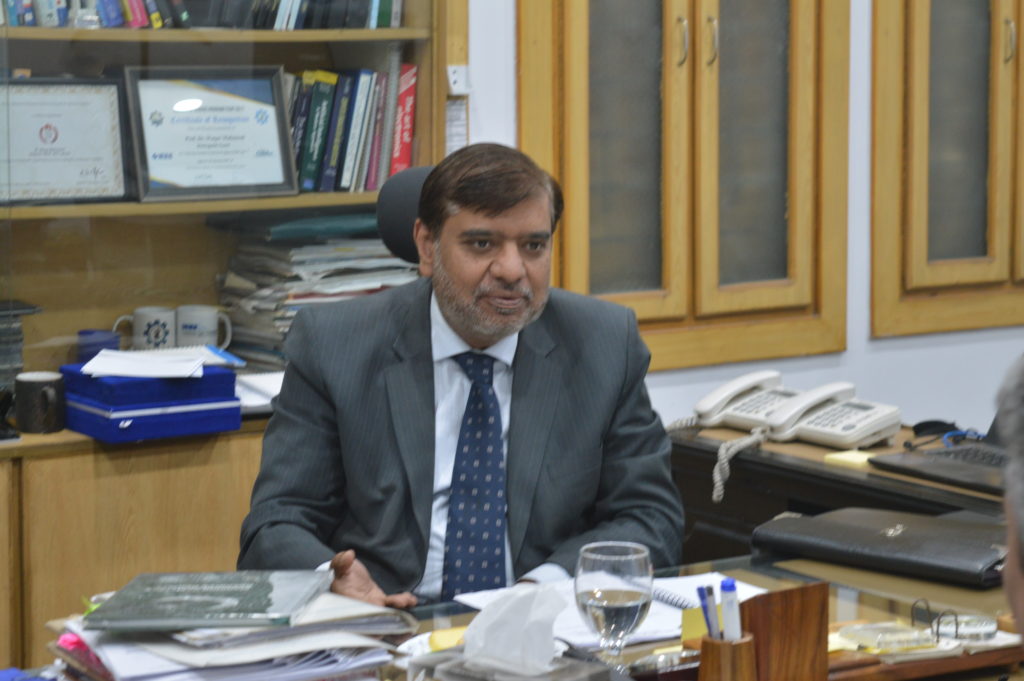
A delegation from HEC (Higher Education Commission) visited Al-Khawarazmi Institute of Computer Science (KICS) UET Lahore on 16th January 2019. It consisted of Mr. Tanveer Ahmed (Consultant, HEC) and Dr. Rasheed. They attended a meeting with Director KICS UET Prof. Dr. Waqar Mahmood in his office. The discussion was done on the topic of CPS (Capacity Planning Service) Project. Open source was also discussed. The members of the meeting talked about as to how HEC can be beneficial in supporting open source in Pakistan? How it can be done commercially throughout the country? The meeting concluded on good notes.
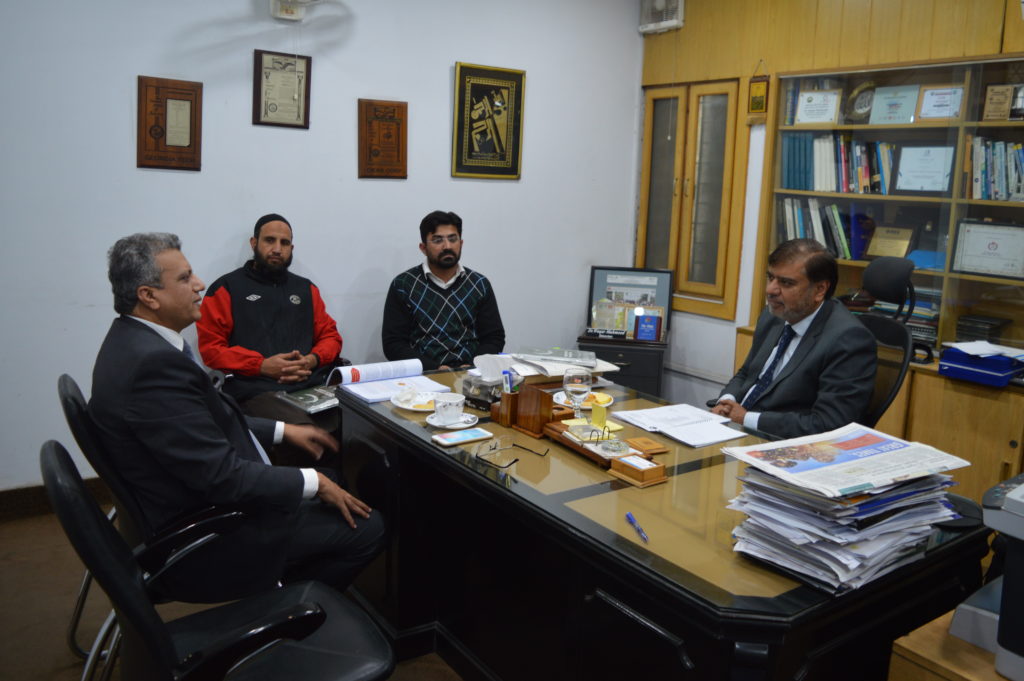
Dr. Waqar Mahmood Chairs a Meeting for the Expansion and Up-gradation of IT Network of UET’s Main Campus
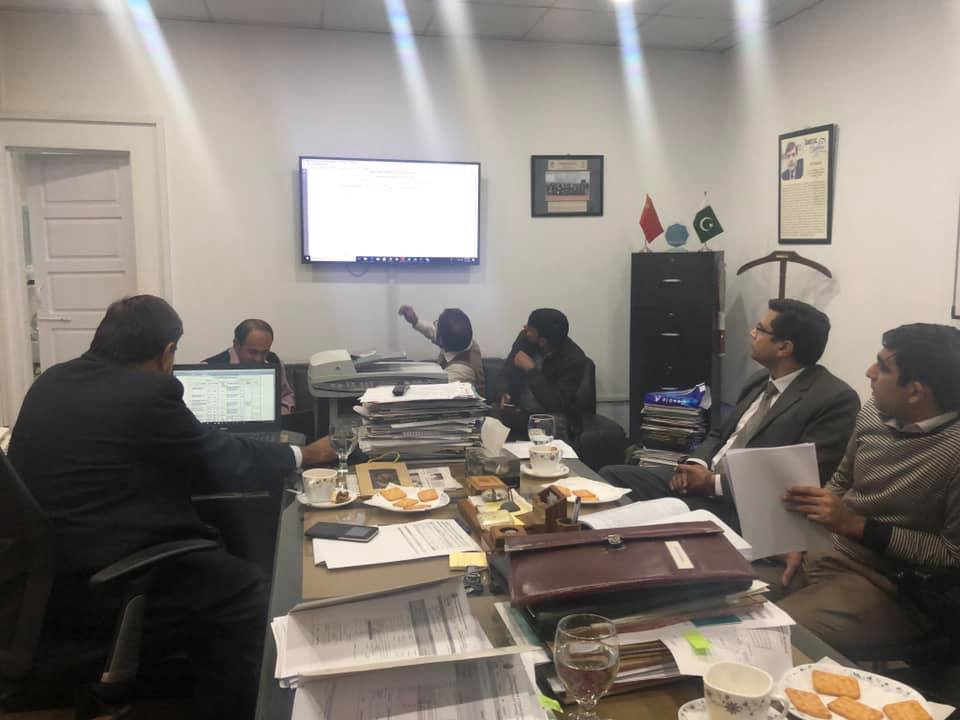
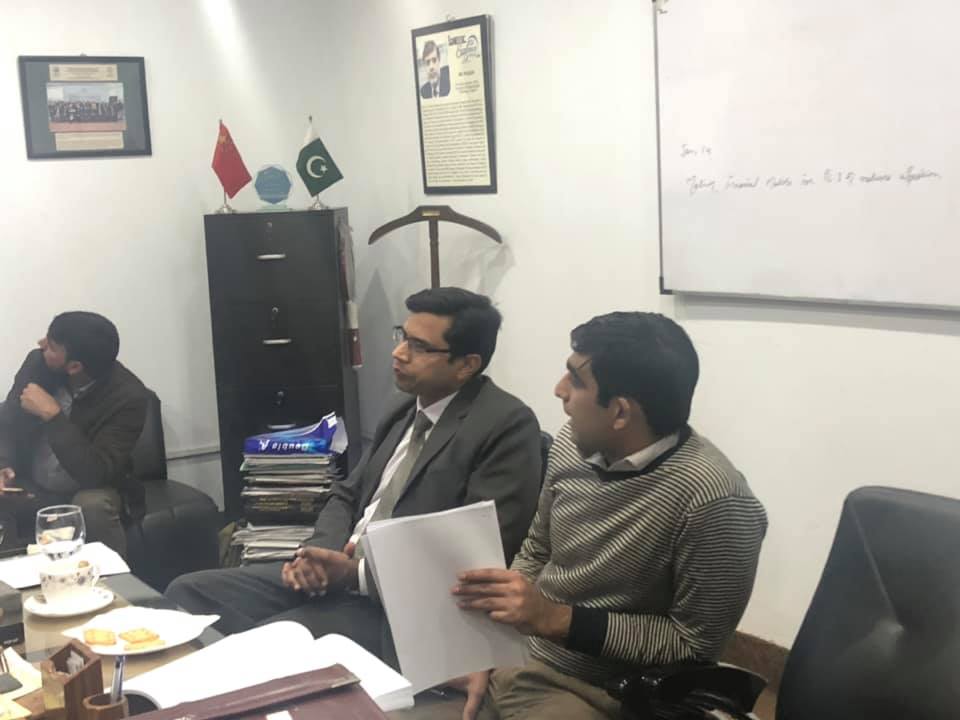
Dr. Waqar Mahmood, Director KICS UET, chaired a meeting for the expansion and up-gradation of IT Network of University of Engineering and Technology Lahore’s main campus. The meeting was held at Director’s office at Al-Khawarazmi Institute of Computer Science, UET Lahore on 15th January 2019. All relevant officials from UET attended the meet-up and landed on to the solution for the expansion and up-gradation of IT network by exchanging opinions with each other.
Team SSRG Wins KICS Annual Cricket Tournament in UET Lahore
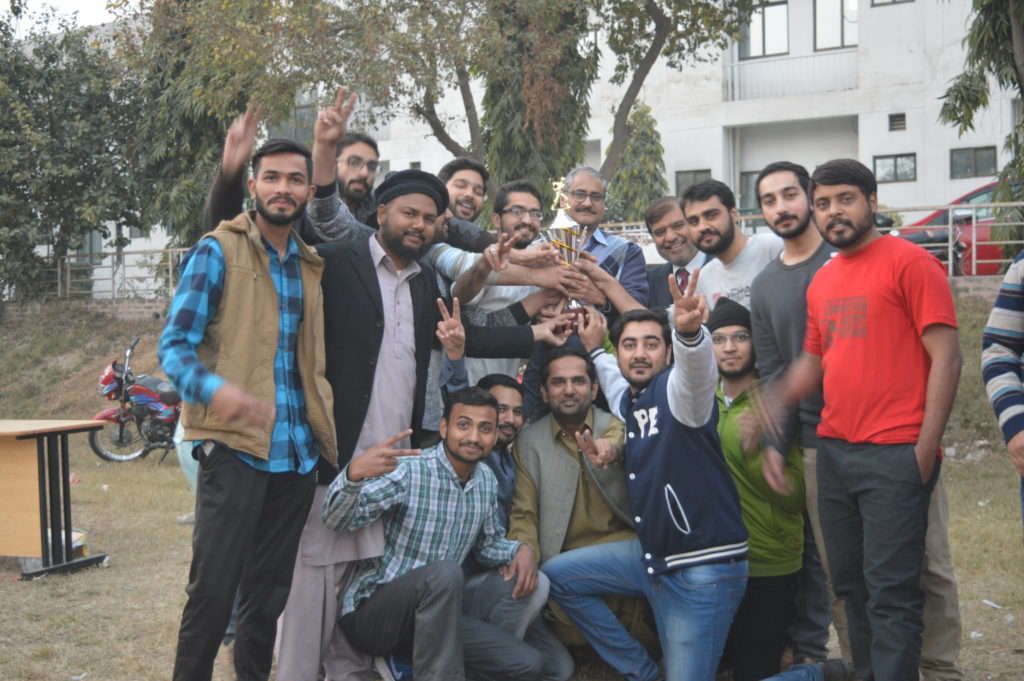
Continuing with its annual gala of cricket tournament, Al-Khawarazmi Institute of Computer Science (KICS) organized a 2-day intra departmental cricket tournament that lasted from 3rd to 4th January 2019 in a ground at University of Engineering and Technology, Lahore. 8 teams participated in this tournament namely TICK-SMS, AERIL, IOT, NWN, Admin, SSRG, PDC and HUTIC. All teams played well, but at the end SSRG team emerged as a winner of the tournament. Team SMS was declared the runner up. KICS’s cricket tournament has become a brand now and has been going on quite enthusiastically for last few years. It is much popular among the students, who especially come to be a witness of this cricketing fiesta.
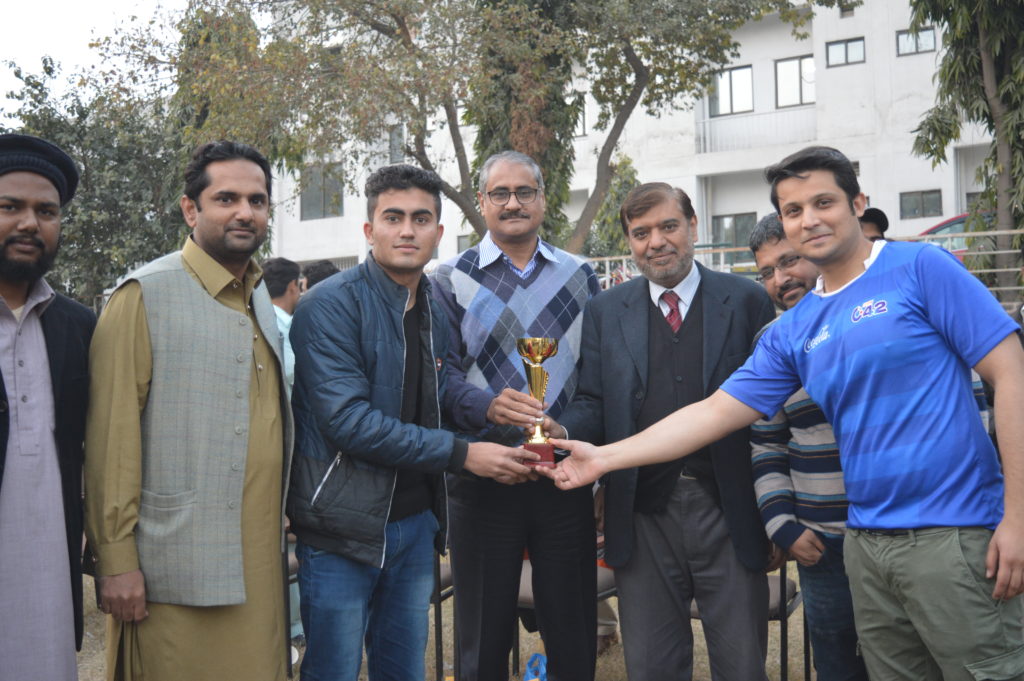
Dr. Waqar Mahmoood, Director KICS UET, was the chief guest at the closing ceremony who distributed the trophies among the winning team, runner up and man of the tournament.
Rao Ahmad Khalid (MD FSK Pvt Ltd), Dr. Usman Ghani (Manager SSRG), Imran Ali Shah (Manager AERIL) and Muzammil Hassan (Asst. Manager SSRL) along with a large number of students and staffers enjoyed every thrill of the tournament with much gusto.
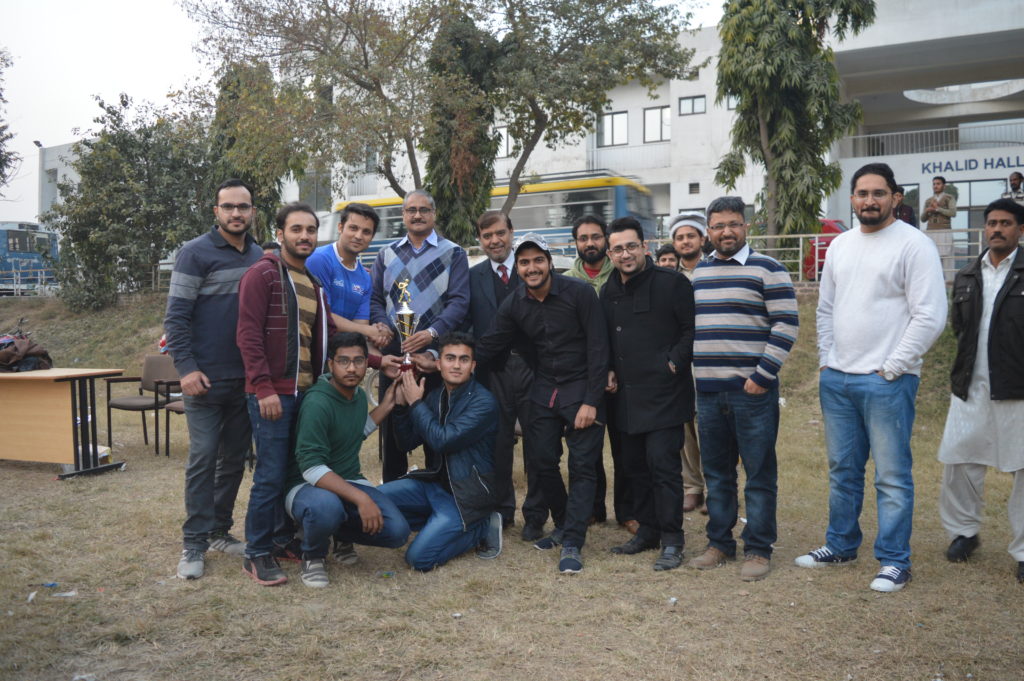
While talking at the closing ceremony, Director KICS applauded and appreciated the efforts of the organizers of the cricket tournament and also showed his interest in organizing more events like this in UET.
Freelancing Training by eRozgar Scheme

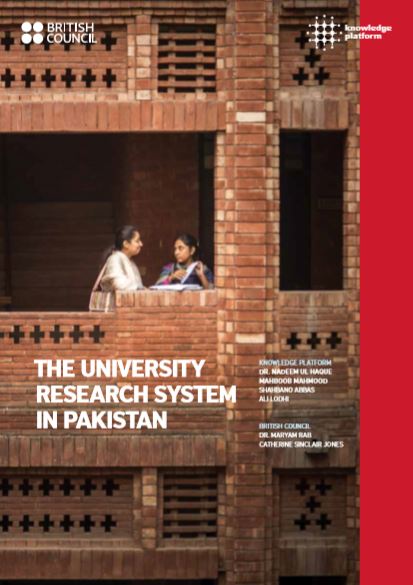
KICS has been highlighted as the pioneer initiative among the research organizations in Pakistan by a joint survey of Knowledge Platform and British Council.

KICS has been highlighted as the pioneering initiative among the research organizations in Pakistan by a joint survey of Knowledge Platform and British Council.
“Two pioneering itiatives, one led by a government-controlled university and the other by a government-controlled fund, are setting a paradigm for transformation not only for these disciplines but the entire university sector.
The Al-Khawarizmi Institute of Computer Science (KICS) at UET and Ignite both owe their success to exceptional leadership, an autonomous and supportive governance arrangement, and a relentless focus on commercialisation and collaboration.”
Founded in 2002, KICS now has over 25 labs, focused on computing, telecommunications, energy and automation and has engaged in over 100 research collaborations with national and international universities, government agencies and businesses. The culture at KICS promotes practical innovation, collaboration and commercialisation. Its innovations include an Urdu language search engine, a grid control-and-monitoring system implemented by utilities in Pakistan and an acoustic surveillance system, which is used by the Punjab Safe Cities Authority.
Dr Waqar Mahmood, who has directed KICS for 10 years, states: “Our focus is to engage, and, if possible, engage commercially, and to innovate without too much regard to publication. For example, we developed a solar lighting system to enable underprivileged students to do their homework at night. It has had a very positive impact but didn’t generate anything worthy of publication. In one case, we worked with industry to develop an Enterprise Resource Planning (ERP) system, even though the customer did not have money to pay. At other times, we work with international companies and government agencies to deliver solutions that meet their needs, and we make money. Of our total annual PKR 150 million R&D funding, we secure roughly 40% from HEC and generate the rest from other sources. Sometimes, our work doesn’t even involve applied research. We manage a large training programme on behalf of Huawei—it is remunerative and it helps our faculty understand and speak to industry priorities. It is less important at this stage in our development to ask whether we are doing research, training or consultancy work: the important objective is to nourish a culture of commercially-oriented, collaborative and engaged problem-solving innovation.”
The University Research System in Pakistan, page 63-64