Author: Muzammil Hassan
AR based Book for epileptic patients using Hololens in collaboration with Duke University
Bioinformatics Research Lab (BRL) aims to develop various models using MedicalImaging, Augmented Realtiy (AR), and Virtual Reality (VR) applications to assist in different domains such as education, health, and the retail sector.At BRL, we have developed various VR-based Lab simulators to provide blended learning opportunities which can be helpful in both online and traditional teaching methods that include a Virtual Chemistry lab, Virtual Physics lab, and Virtual Solar training simulator. We have also developed some VR-based Neurogames by monitoring children’s attention levels which can be used to enhance their cognitive abilities, an immersive VR environment with a braincomputer interface to drive a wheelchair virtually which can be helpful for the training and therapy of disabled people, AR applications that will be helpful in the retail industry and education.
Currently, we are developing some applications using HoloLens for learning and training of patients and doctors and also providing some robotics training courses to school children.
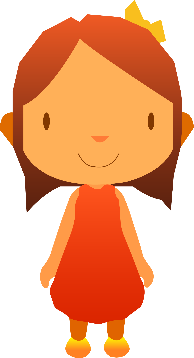
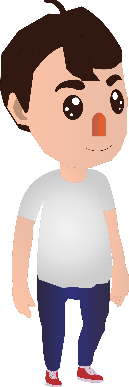
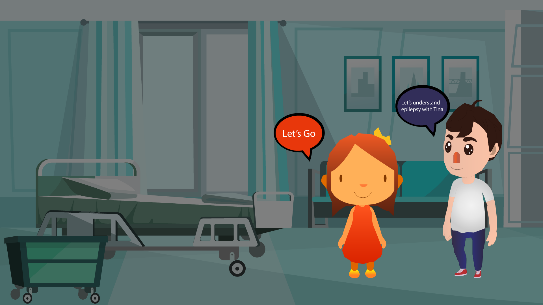
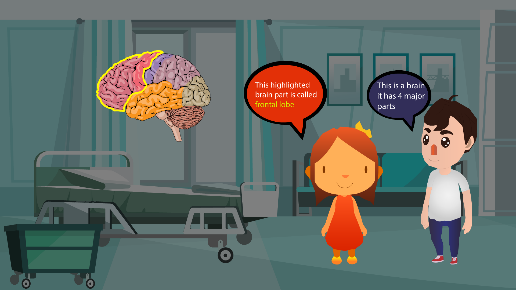
Children may feel lonely, bored, and frightened in hospitals and if pediatric patients are going through chronic disease, their learning can be affected. Epileptic patients face difficulty while learning, speaking, focusing, or remembering. To assist young epileptic pediatric patients, we are working on developing an educational walkthrough in the form of a book to understand augmented reality, epilepsy, its symptoms, and treatment procedure through a walkthrough using the HoloLens. There would be 2 characters Rio and Tina. the book that contains the conversational story of these two characters in which they discuss epilepsy, its treatment, and other information. Patients who wear HoloLens can interact with characters that have been augmented on the pages.This application can be used as a training activity for patients to make communication with the doctor more interactive. Kids can focus on exploring the new world while undergoing unpleasant or painful procedures i.e. dressing changes etc. It can be considered as a tool of education in hospitals for pediatric patients so they can be aware of the treatment. Also, the use of AR for children in School through applications helps them understand complex concepts and anatomical structures of the body more clearly hence making visualization better.
Stipend for COURSERA by PSDF | Special Enrollment for University Students

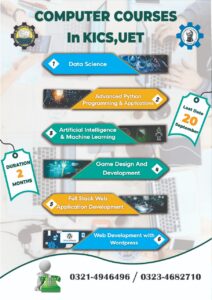
Professional computer Courses in UET Lahore 2022
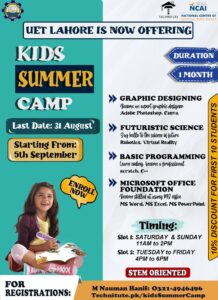
UET Lahore is Now Offering KIDS SUMMER CAMP
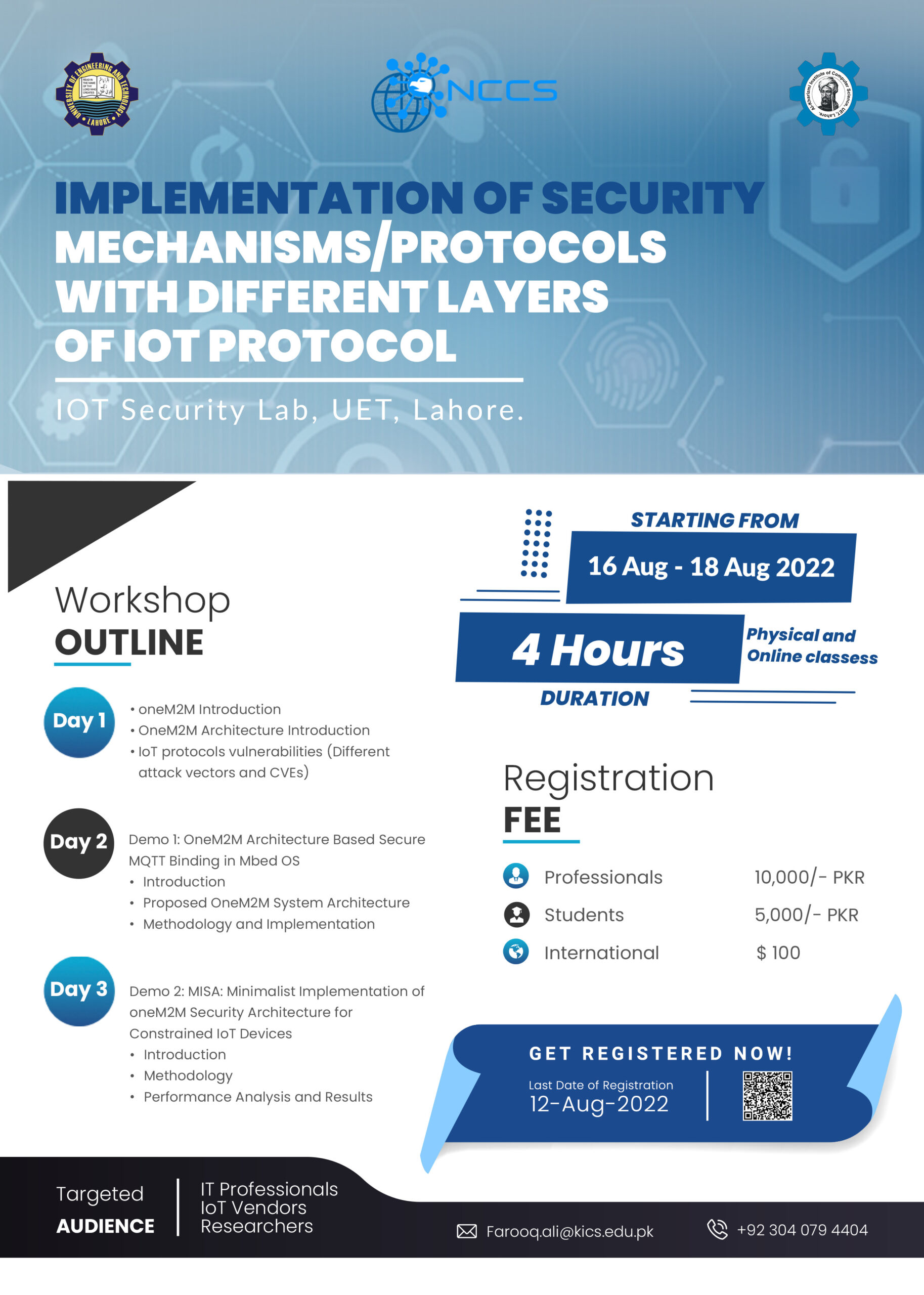
Implementation Of Security Mechanism/Protocols with different layers of IoT Protocol
Date: 16th-18th August, 2022
Time Duration: 4 Hours
Venue: IOT Security Lab , UET , Lahore
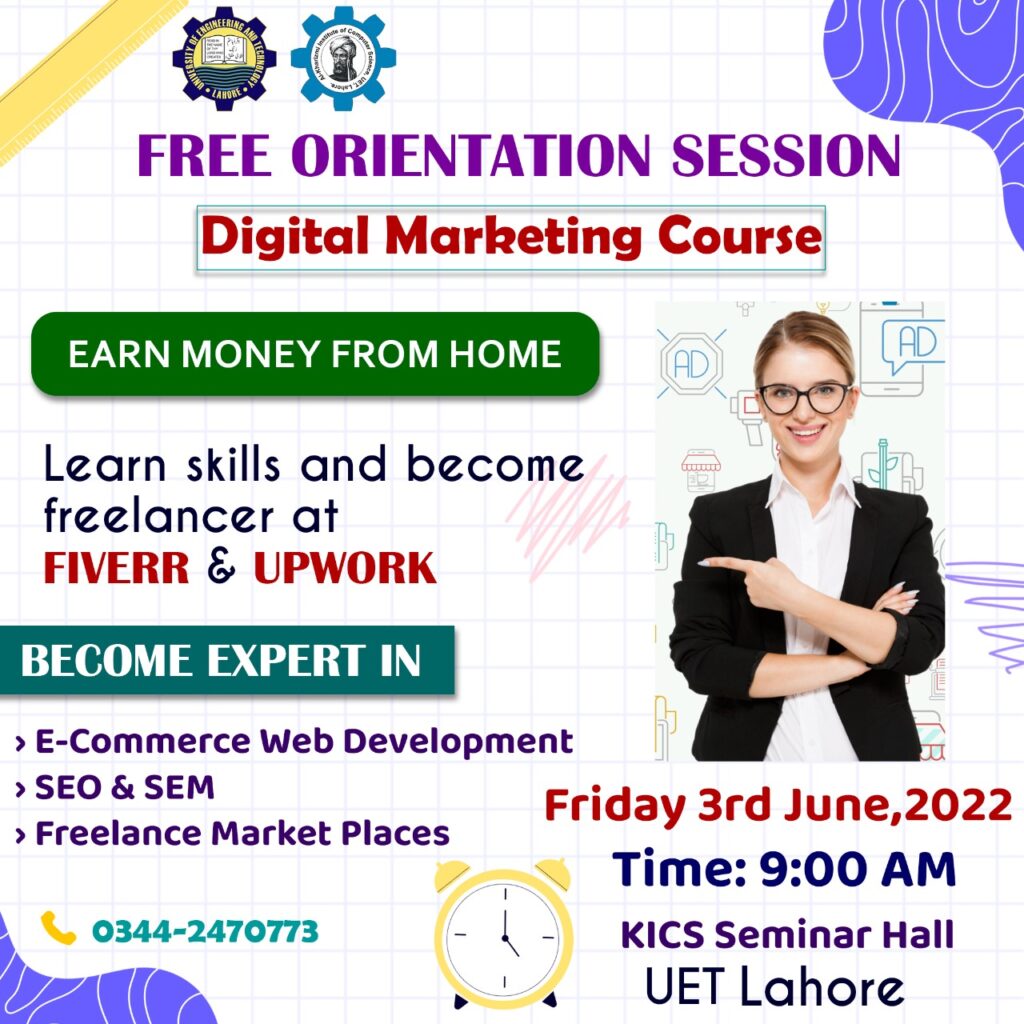
Free Orientation Session Digital Marketing Course
Free Session for Your Future Skills
E-Commerce Website in WordPress and Shopify
+
Digital Marketing (SEO & SEM)
Fill this form to Get Register
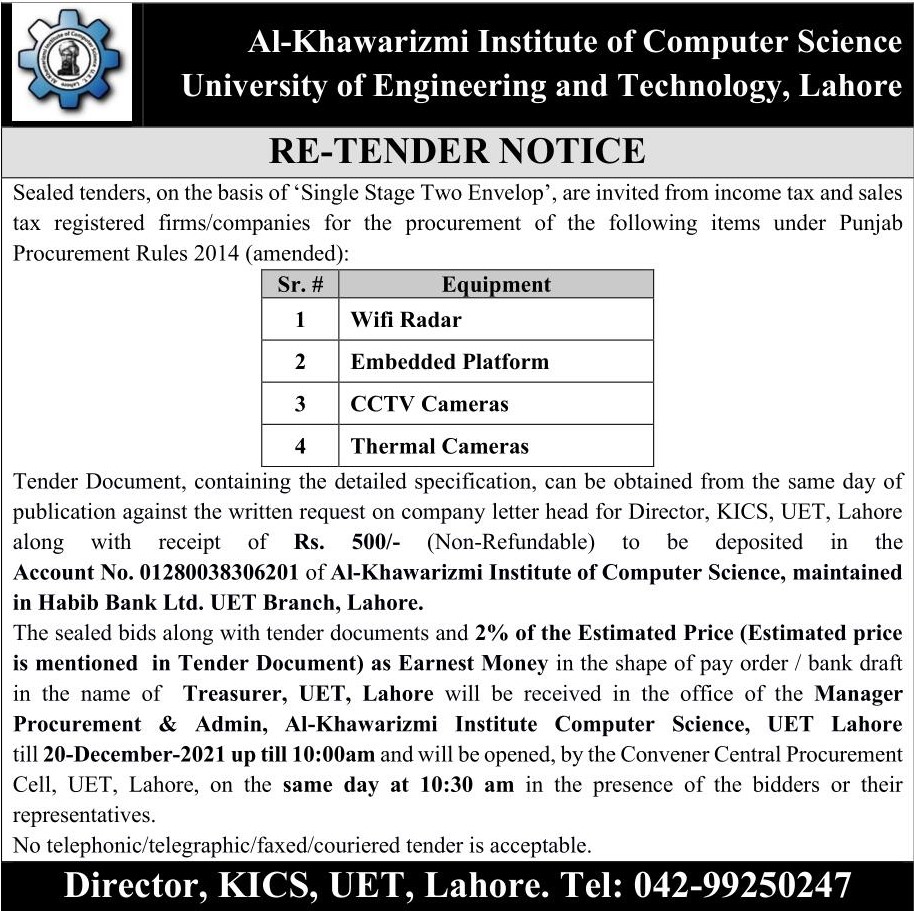
Re-Tender Notice
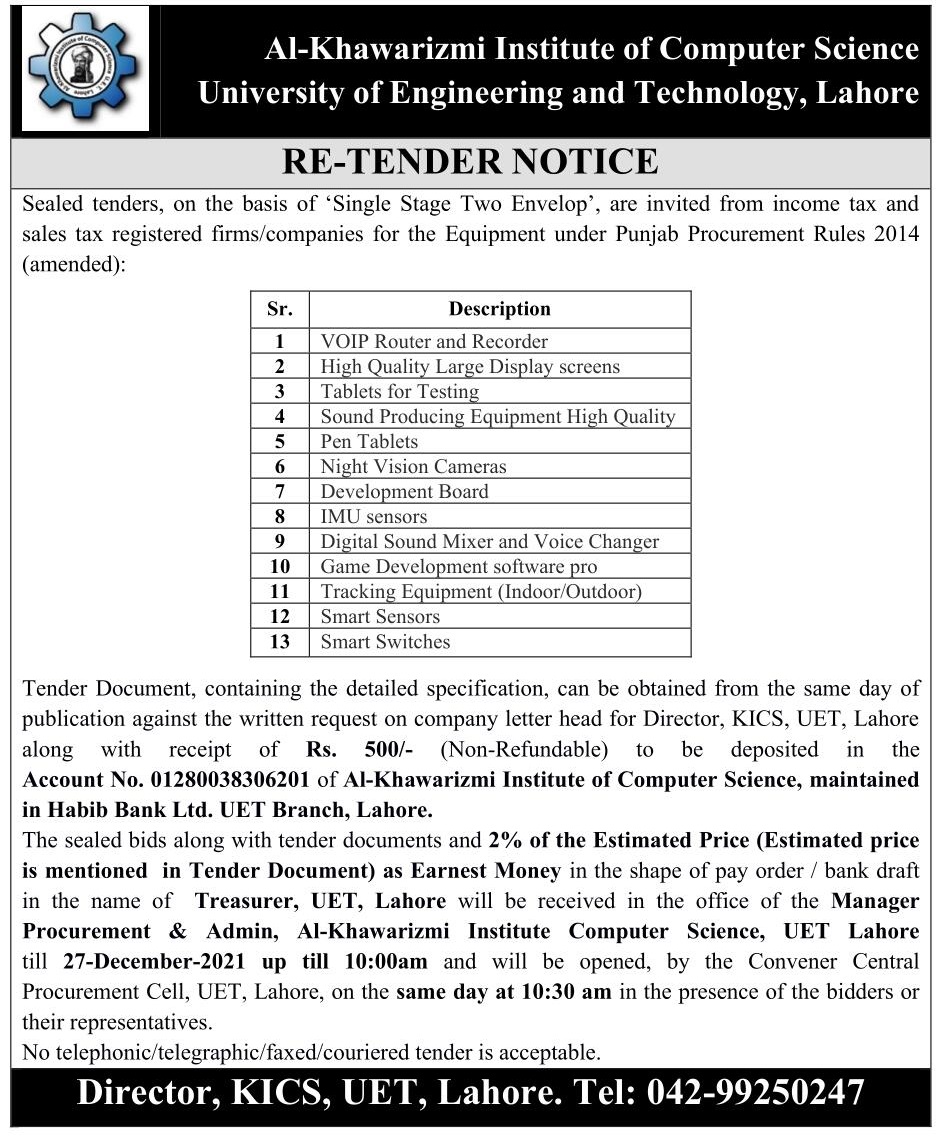
Re-Tender Notice
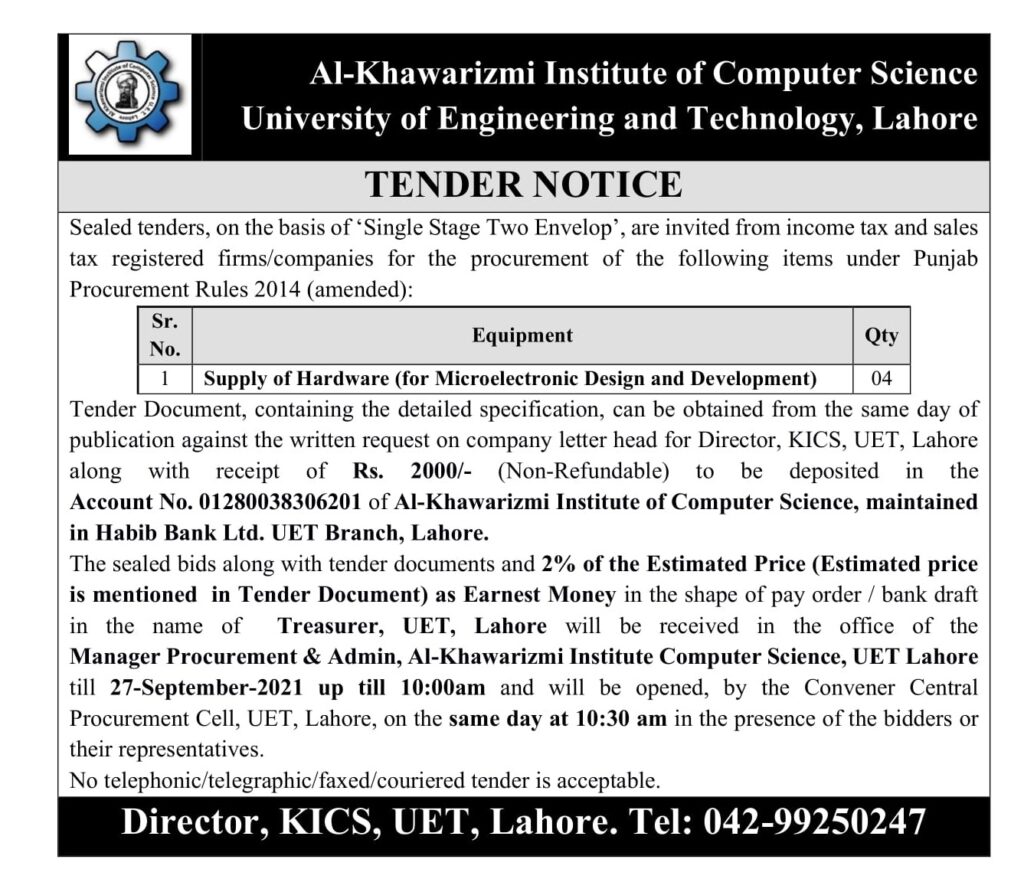
Hardware Tender Notice
Webinar on Future of Augmented and Virtual Reality Technologies
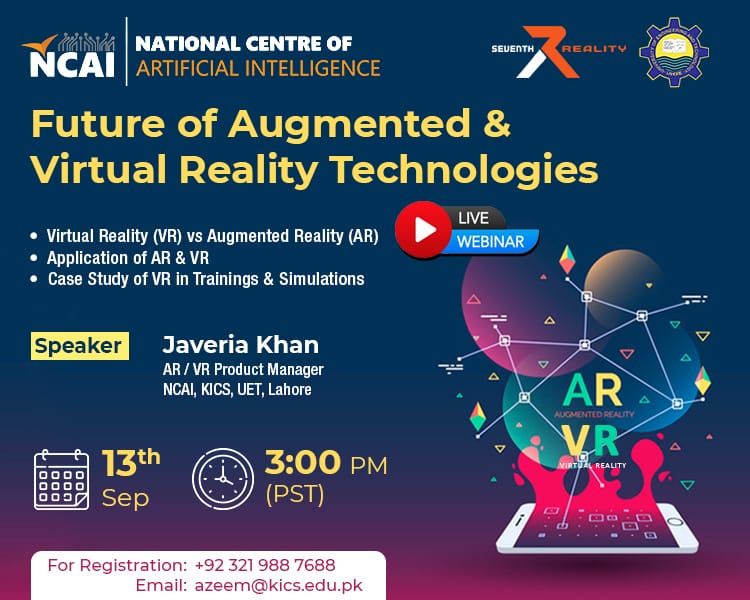
Under the umbrella of the National Center of Artificial Intelligence, Intelligent Criminology Research Lab, based at the University of Engineering and Technology, Lahore is going to organize a free online webinar for all enthusiasts in the IT, Artificial Intelligence, Bio-informatics, etc sector.
“Future of Augmented and Virtual Reality Technologies”
The webinar will be live for 1 hour on the 13th of September, 2021 from 03:00 pm – 4:00 pm.
We are extending our invitation to everyone to join this interesting future-oriented webinar.
Let’s learn together:
- Virtual Reality(VR) vs Augmented Reality(AR)
- Application of VR and AR
- Case Study: Virtual Reality in training and simulations
- Case Study: Virtual Reality in education
- Case Study: Augmented Reality in education
- Future Trends of Augmented and Virtual Reality
And much more!
Click on the link below to get yourself registered. You will be notified when the event is about to start.
Looking forward to seeing you there!
Kind regards.